When to Turn Around on a Hike: A Decision Guide
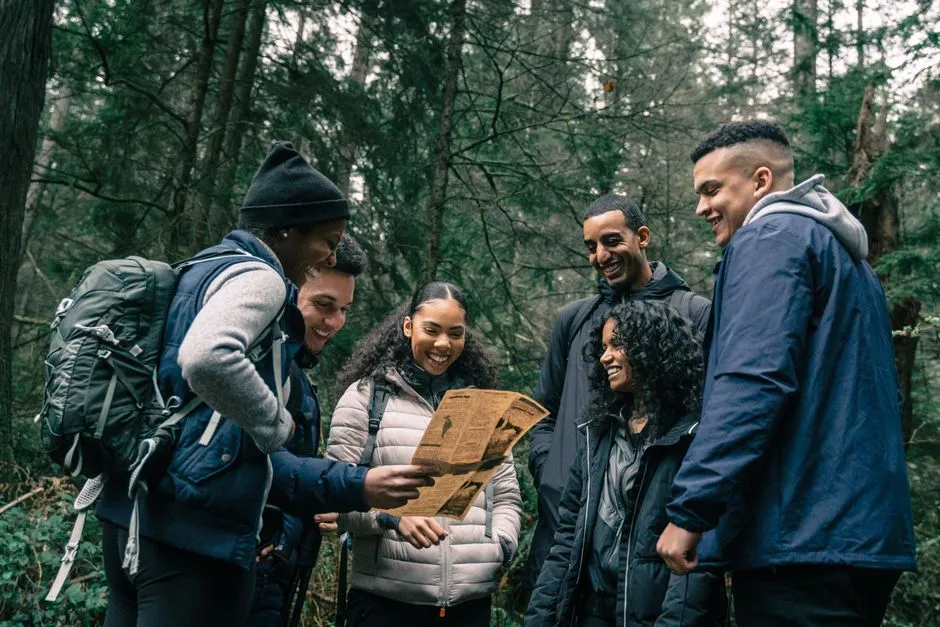
Turn around while the decision is still easy
A turnaround is a route choice made from current evidence. It is not a verdict on courage. Small problems compound: slower pace uses daylight, worsening weather affects navigation, wet clothing reduces comfort, and route uncertainty consumes attention. Acting early preserves options.
In an immediate emergency, follow current local emergency guidance and instructions from responders. Do not rely on this article to manage injuries, severe illness, lightning, wildfire, floodwater, avalanche terrain, dangerous wildlife, or other specialized hazards.
Turn around for route uncertainty
Stop as soon as the trail, position, or next safe segment is uncertain. Keep the group together and avoid continuing merely because the path “probably joins later.” Compare the terrain with reliable navigation and the route plan. Return along a known safe route when that remains appropriate.
If you may be lost, do not wander rapidly in search of a landmark. Follow your training and current local guidance, account for conditions and hazards, conserve communication resources, and contact appropriate emergency help when needed.
Turn around for a shrinking time margin
Compare actual progress with the planned turnaround point and return window. Include slower descent, rest, route-finding, and changing conditions. Turn back when continuing would consume the reserve, even if the destination appears close.
Distance can be deceptive on steep, rough, exposed, or poorly marked terrain. The summit is not “basically there” because it has become large enough to dominate the conversation.
More conservative decisions live in Trail Decisions.
Turn around for worsening conditions
Reassess when cloud lowers, visibility drops, wind increases, rain intensifies, water rises, surfaces ice over, heat or cold becomes difficult to manage, fire or smoke appears, or official information changes. Use the thresholds and procedures for the exact location, season, and activity from current authoritative local sources and training.
Do not wait for conditions to become dramatic. If the group lacks the equipment or skill for what is developing, retreat while the known route remains manageable. A closure or instruction from the responsible authority ends the debate.
Turn around for people
Pain, illness, dizziness, confusion, unusual breathlessness, loss of coordination, persistent shivering, overheating, severe fatigue, fear, or inability to keep eating and drinking appropriately can require stopping, return, or emergency action. Symptoms and appropriate responses vary; use first-aid training and current professional guidance, and seek emergency help when indicated.
Take every participant seriously. Do not pressure someone to continue for the group photograph. A person can call the turn without presenting a legal brief.
Turn around for equipment or supply failure
Return when essential footwear, clothing, navigation, light, communication, medication, shelter, water capacity, or other route-critical equipment fails and no safe, trained remedy exists. A workaround suitable on a park loop may be unsafe in remote or exposed terrain.
Monitor supplies on the way out, not only when hungry or thirsty. The return requires resources too. Never drink untreated water or improvise medication because a plan ran long.
Use a two-question pause
At a decision point, ask:
- If we continue, what specific evidence says the next segment and return remain within the group’s plan?
- If one condition worsens, what safe option remains?
If the answers depend on luck, speed you have not demonstrated, weather improving, or equipment working differently than it has, turn around. Document the reason briefly and begin the return together.
Manage the return deliberately
Turning around does not remove risk. Keep navigating, monitor the group, adjust layers and pace, and report plan changes to the reliable contact when communications and safety permit. Avoid rushing. At junctions, confirm the known return rather than following whoever looks most confident.
Build these decisions into the first-day-hike plan. After returning, review what triggered the choice and what would need to change for another attempt. The trail will not be offended. Trails are famously poor at holding grudges and excellent at remaining exactly where you left them.