How to Plan Your First Day Hike Without Wing It Energy
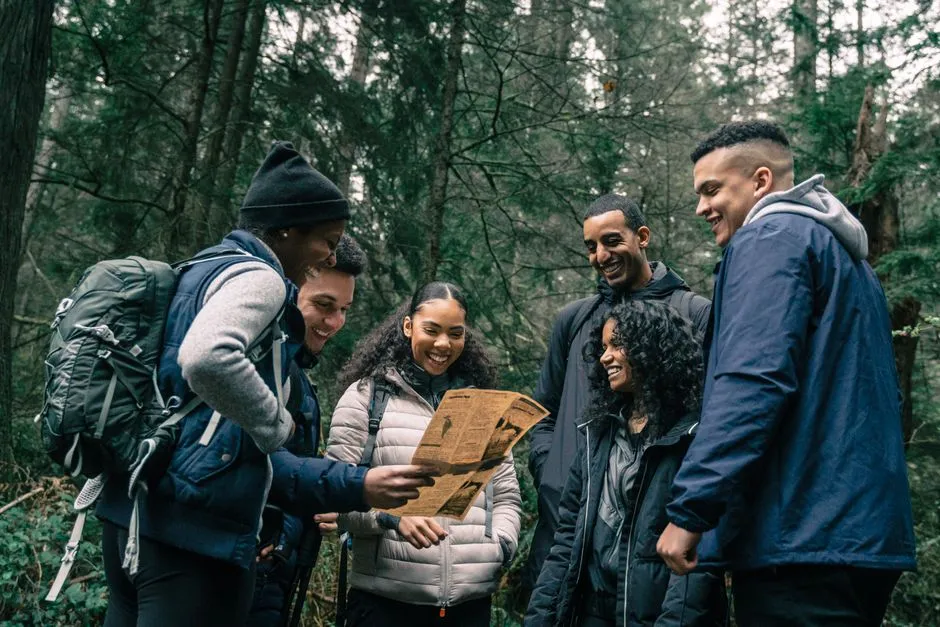
Choose the group before the trail
List who is going, including mobility, experience, fitness, health considerations, sensory needs, equipment, and comfort with terrain or exposure. Plan for the least-prepared participant. A route described as easy by a fast local runner may not be easy for your group; adjectives do not carry packs.
Anyone with relevant health concerns should follow advice from an appropriately qualified professional. Do not use a general article to decide whether a medical condition is compatible with exertion, altitude, heat, cold, or remote terrain.
Pick a short, established route
Use current information from the responsible land manager and a reliable map. Check distance, total ascent and descent, surface, navigation complexity, exposed edges, water crossings, shade, bailout points, seasonal hazards, opening times, permits, transport, parking, and whether dogs are allowed.
Choose a route comfortably below the group’s assumed maximum. For a first outing, a well-marked path with easy retreat and reliable access is more useful than a dramatic objective. Save ambition for after you have real evidence about pace, footwear, and snack politics.
Browse Day Hiking for more planning basics.
Check conditions from current official sources
Review the latest local weather forecast, warnings, trail closures, fire restrictions, wildlife notices, water conditions, and daylight. Conditions at the trail can differ from town. Recheck shortly before leaving and cancel or choose an alternative when warnings, visibility, temperature, precipitation, wind, fire, flooding, ice, or other hazards exceed the group’s preparation.
Do not rely on an old blog, cached screenshot, or a social post to overrule a closure. The mountain has not promised to honor last Tuesday’s comments section.
Build a route card
Write the trailhead, intended route, direction, planned start, conservative turnaround point, expected return window, vehicle or transport details, participant names, and what to do if you do not report back. Leave it with a reliable person who is not on the hike. Tell them when you return.
Know the local emergency method and communications limitations. A phone can fail through battery, damage, cold, terrain, or lack of service. Downloaded mapping can help but does not replace route understanding, suitable backup navigation, and the ability to use it.
Pack for the actual conditions
Bring clothing layers, suitable footwear, water, food, navigation, illumination, first-aid supplies you know how to use, sun or rain protection, required medications, communication, and emergency items appropriate to the route and current guidance. Keep essential items distributed sensibly rather than in one pack that may become separated.
Check fit and function at home. Carrying an unopened device or kit is not the same as knowing it. Follow product instructions and never improvise medication, emergency equipment, or water treatment.
Agree on decisions before departure
Set a turnaround time or route point based on daylight, conditions, pace, and transport, leaving reserve. Agree that anyone can call for a stop or return without defending the decision. Name the signs that trigger reassessment: route uncertainty, worsening weather, pain, illness, equipment failure, slow progress, low supplies, or a participant becoming cold, hot, frightened, or exhausted.
Read the full turnaround decision guide before setting out.
Start with one final check
At the trailhead, compare reality with the plan. Is the route open? Is the weather as expected? Does everyone have the required equipment and feel comfortable beginning? If not, shorten, change, or cancel.
Tell your contact that you are starting, follow rules, stay together, and track progress. The goal of a first day hike is not merely to reach an attractive point. It is to return with a useful understanding of what the group wants to do next—and ideally with the same number of socks.